

Robotic Surgery
A leader in robotic surgery.
Baylor Scott & White Medical Center – Frisco is a regional leader in Robotic Surgery. With 5 DaVinci robotic systems, over 9,200 cases performed, and the only Total Program Observation Center in Texas, our surgeons have the expertise to help you get back to normal.
What is robotic surgery?
Robotic surgery is an advanced form of minimally invasive surgery in which surgeons use a computer-controlled robot to assist with certain procedures. This advanced technology allows for greater precision, flexibility, and control than traditional surgical techniques.
What are the benefits of robotic surgery?
Minimally Invasive: Smaller incisions reduce pain and scarring and speed recovery.
Precision: Enhanced accuracy with robotic instruments allows for delicate, complex procedures, leading to better outcomes and increased patient satisfaction.
Control: Surgeons can operate with greater control and range of motion.
Visualization: High-definition, 3D imaging provides a clear and magnified view of the surgical area.
Faster Recovery: Patients often have shorter hospital stays and return to normal activities sooner.
Reduced Complications: Lower risk of infection and fewer complications.

How Robotic Surgery Works
As in traditional surgery, the patient is prepped and anesthetized. Small incisions are made to insert the robotic instruments. The surgeon sits at a console and controls the robotic arms with surgical tools. A high-definition camera provides a 3D view of the surgical site. Once the procedure is complete, the instruments are removed, and the incisions are closed.
What to expect as a patient:
DaVinci Xi Robotic Surgical System – Surgeon-Led Minimally Invasive Precision Technology
Where innovation meets precision:
Precision Redefined: Robotic surgery offers unparalleled precision and dexterity, translating the surgeon’s hand movements into minute, controlled actions within your body.
Minimally Invasive Approach: Smaller incisions mean less pain, minimal scarring, and faster recovery than traditional open surgery, helping patients return to daily life sooner.
Enhanced Visualization: High-definition 3D visualization lets our expert surgeons navigate complex anatomy with greater clarity, improving the overall surgical experience.
Personalized Care: Robotics lets our surgeons tailor procedures to your unique anatomy, improving outcomes and reducing the risk of complications.
Wide Range of Procedures: From urological and gynecological surgeries to complex procedures across specialties, the technology is adaptable to a wide range of medical conditions.
Confidence and Expertise: Over 40 of our skilled surgeons are trained to use da Vinci technology, ensuring you’re in the hands of professionals proficient with this advanced system.
Robotic surgery with the DaVinci Xi can be utilized for many surgeries, including:
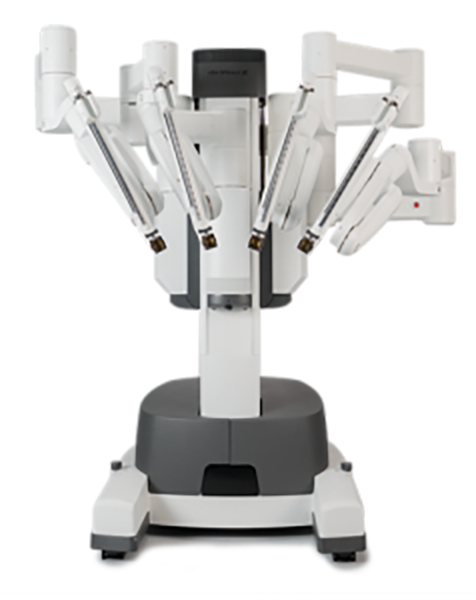
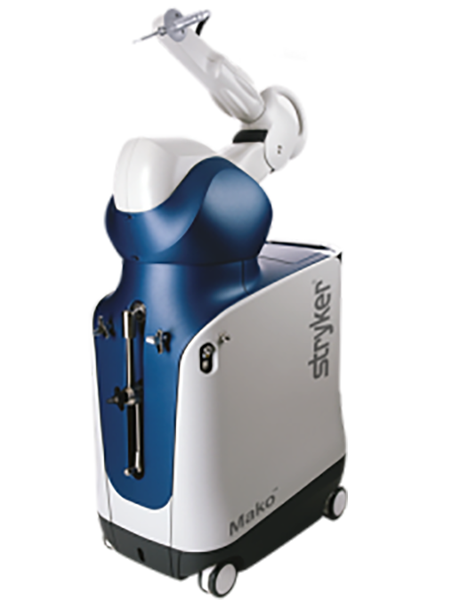
Mako® Robotic-Arm Assisted Surgical System
The MAKO System combines the expertise of our skilled surgeons with the precision and capabilities of robotic technology, offering a range of benefits that can enhance the orthopedic surgical experience:
Precision: The MAKO System gives our surgeons high accuracy and control, enabling precise surgical movements.
Personalized Treatment: Through advanced imaging and 3D modeling, the MAKO System creates a personalized surgical plan tailored to the patient’s unique anatomy, leading to optimized outcomes.
Minimally Invasive: With the MAKO robotic arm, procedures can often be performed through smaller incisions, resulting in reduced scarring, less pain, and faster recovery times.
Faster Recovery: Patients often heal faster and can return to daily activities sooner because of the minimally invasive nature of MAKO-assisted surgery.
Joint-Preserving Solutions: For orthopedic procedures, the MAKO System enables our surgeons to preserve as much healthy tissue as possible, promoting joint longevity.
Wide Range of Procedures: From partial knee and hip replacements to complex orthopedic procedures, the MAKO System can be applied across a variety of specialties.
How it works
The surgeon works from the console in the operating room, using 3D CT-based planning software to better understand your anatomy and create a personalized joint replacement surgical plan. In the operating room, your surgeon follows your personalized surgical plan while preparing the bone for the implant. This technology improves precision and shortens recovery time for total and partial knee replacements.
FAQs
What is robotic surgery?
Robotic surgery, also known as robot-assisted surgery, allows doctors to perform various medical procedures with greater precision. Conventional methods rely solely on the doctor’s skill, hands, and vision, whereas robotic surgery uses technology to specify exact measurements and placement. Robot-assisted surgery extends a surgeon’s capabilities to provide enhanced precision.
- Input precise measurements
- Guide the robot with minimal invasion
- Less blood
- Less scarring
How does robotic surgery work?
In a robotic surgery environment, the surgeon makes tiny incisions in the patient, through which small instruments and a high-definition three-dimensional camera are inserted. Depending on the type of procedure, the surgeon may not have to cut the patient at all. The surgeon is in the operating room at a console, where they control the instruments used to perform surgery. The Da Vinci robots at Baylor Frisco provide a 3D, high-definition view, giving surgeons a crystal-clear view of the surgical area magnified 10 times. The surgeon uses tiny instruments that move like a human hand but with a far greater range of motion.
- Miniscule instruments
- Minimally invasive
- Minimal damage to surrounding tissue
- Less downtime
The surgeon can control the instruments and camera in a way that minimizes damage to tissue during surgery. As the surgeon performs the procedure, they can control the instruments with extreme precision using a combination of software and hardware specifically designed for minimally invasive procedures.
Is there an actual robot performing the surgery?
No. Several surgical technologies are linked to a computer system that improves the surgeon’s range of motion and vision. The robotic arm provides enhanced dexterity and precision. The surgeon remains in total control, using a tiny camera with a 3D view and precise instruments to perform procedures. The robot cannot be programmed, and it cannot make any movements on its own
How long does a robotic hysterectomy take?
A hysterectomy is a surgery to remove the uterus, and possibly the ovaries and fallopian tubes. Several conditions may prompt your doctor to recommend a hysterectomy. They range from benign (noncancerous) conditions, like endometriosis or fibroids, to cancer conditions, like endometrial or uterine cancer. While the number of women who receive hysterectomies has declined over the last several decades, approximately 400,000 women in the U.S. still receive hysterectomies each year. The length of time a robotic hysterectomy takes depends on the type of hysterectomy and the surgeon performing the surgery, but it generally takes 3-4 hours.
What specialties utilize robotic surgery?
Robotic surgery is a viable option across many specialties, from gynecology to cardiovascular surgery. Robots are also used to remove cancerous cells from sensitive areas, such as nerves and blood vessels. Some of the more popular specialties are:
- Bariatric or Weight Loss Surgery
- General Surgery
- Colorectal Surgery
- Gynecology
- Gynecologic Oncology
- Gastroenterology
- Cardiothoracic Surgery
- Urology
The fact that a robotic device can be programmed to cut with such precision in minuscule areas makes it ideal for safe, effective procedures that require less invasive techniques and less downtime.
What surgeries are done using robotics?
Robotic surgery is a revolutionary surgical method that can be used for a wide range of procedures. The technology behind robotic surgery was developed to allow many common procedures to be performed with less invasion, less pain, and less downtime. Some of the surgeries that surgeons can perform with robotics are:
- Bariatric/Weight Loss Surgery
- Hysterectomy
- Gallbladder removal
- Coronary artery bypass
- Mitral valve repair
- Tubal ligation
- Radical cystectomy
- Pyloroplasty
Because the robotic arm and surgical instruments are so small, doctors can complete serious procedures without causing excessive injury to the patient. As the instruments cut into the patient, the arm is guided by motion programmed to the tiniest, most accurate measurements. This accuracy leaves no room for human error, reducing the risk of accidental injury. The result is a type of surgery that is faster, cleaner, and less invasive than conventional surgery.
Is robotic surgery painful?
Endocrine therapy is an antiestrogen treatment and will be recommended for patients who have an estrogen receptor-positive tumor. It is not chemotherapy,
Any surgery will most likely be painful in one way or another. However, with robotic surgery, because the instruments are so tiny and the cuts are measured with extreme precision, there will be less damage than with open surgery.
- Smaller surgical instruments
- Smaller incisions
- Precisely measured cuts
- Less damage to tissues
A skilled surgeon will work to alleviate pain as much as possible and keep the patient as comfortable as possible. Because robotic surgery is less invasive and doesn’t require larger incisions to accommodate hands or larger instruments, it is generally less painful and heals faster than traditional surgery.
What are the advantages of robotic surgery?
Robotic surgery offers many benefits to patients compared to open surgery including:
- Shorter hospitalization
- Reduced pain and discomfort
- Faster recovery time
- Faster return to normal activities
- Smaller incisions, resulting in less risk of infection
- Reduced blood loss and fewer blood transfusions
- Minimal scarring
Is robot-assisted surgery appropriate in every case?
No. Robot-assisted surgery is an effective option for many people. It is not the appropriate method for every case. Your physician will review your specific procedure along with the risk factors, lifestyle, and conditions that apply to each individual patient.
What should I look for when looking for a robotic surgeon?
A hospital program’s experience, training, and volume are truly important. Ask your surgeon about their experience using robot-assisted surgery. You should feel confident that you are receiving the highest-quality care from an experienced surgeon in an established program. At Baylor Frisco, our experts are at the forefront of minimally invasive robotic surgery. Our surgical leaders are highly specialized and use the latest technologies, along with continuous training simulations, to hone their skills.